
“I’m Going on Vacation… Do I Really Need Travel Insurance?” Here’s the Honest Answer.


You’ve planned the time off. You’ve picked the destination. You can already taste the first sip of something cold by the pool (or imagine that first deep breath of crisp mountain air). And then I ask one question that almost every traveler pauses on:
“Would you like to protect your trip with travel insurance?”
And I get it — travel insurance can feel optional when everything looks perfect on paper. But as a travel advisor, I’ve seen the behind-the-scenes reality of travel. Flights get canceled. Storms roll in. Someone gets sick. A family emergency pops up. And suddenly that “non-refundable” booking is a very expensive lesson.
So here’s my honest take: you don’t have to buy travel insurance. But if you’re investing real money (and real emotion) into a vacation you’ve been dreaming about, it’s one of the smartest choices you can make. Let’s talk about why — in real-life terms.
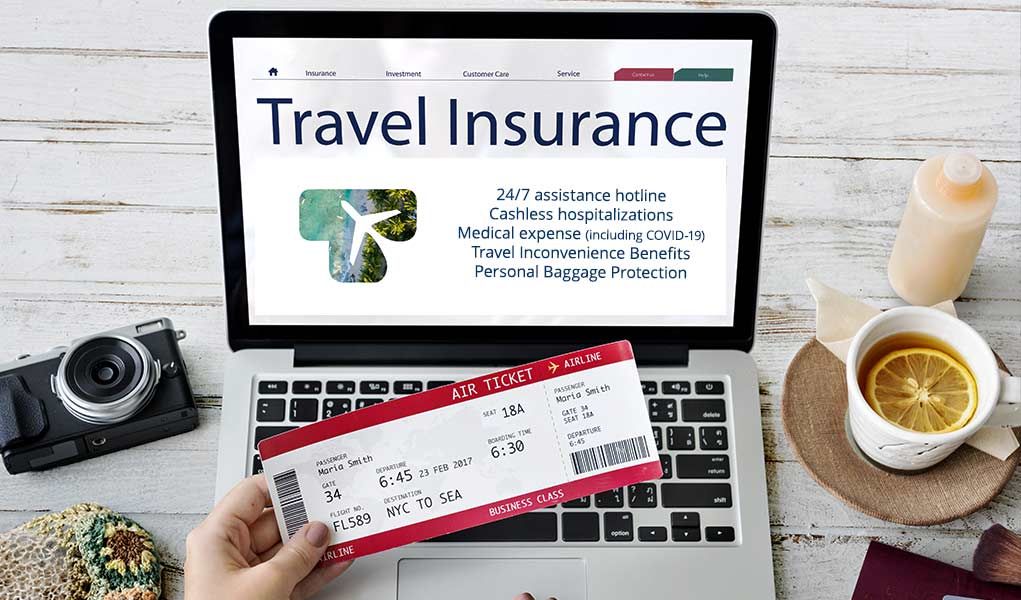
What Travel Insurance Actually Does (In Plain English)
Travel insurance is designed to protect your vacation investment when something unexpected happens before you leave or while you’re traveling. Depending on the plan, it can help cover:
- Trip cancellation or interruption
- Delayed or canceled flights
- Extra hotel nights and meals due to travel disruptions
- Emergency medical care abroad
- Emergency medical evacuation (including air transport)
- Lost, delayed, or damaged baggage
The key phrase is: “depending on the plan.” Not all insurance is created equal. Some policies are basic. Some are comprehensive. Some include “Cancel For Any Reason” upgrades. My job as your advisor is to help you choose coverage that matches your trip, your budget, and your comfort level.
Scenario #1: Your Return Flight Is Canceled (And You’re Stuck)
Let’s say you’re vacationing in Norway and an airline strike hits. Your flight home gets canceled — and suddenly you’re stranded in a country where you don’t live, don’t have a car, and don’t have unlimited time off work.
Now what?
This isn’t a “what if” situation. It happens. When flights are canceled, travelers often face:
- No available flights on other airlines
- Fully booked trains, buses, or rental cars
- Hotels skyrocketing in price (or selling out entirely)
- Surprise costs for meals and transportation
With the right travel insurance, extra hotel nights and meals can be covered, which can easily save you hundreds — sometimes thousands — of dollars.
Scenario #2: A Hurricane (or Natural Disaster) Changes Everything
You planned Florida: sunshine, beaches, romantic dinners, and reset mode.
But a hurricane hits before you arrive and your resort closes, your excursions are canceled, and the area is dealing with recovery — not vacationers.
Without travel insurance, you may be relying on airlines or suppliers to offer credits (not refunds), and credits come with fine print: expiration dates, restrictions, and limited flexibility.
With travel insurance, eligible disruptions due to covered events can mean reimbursement for flights, hotels, and pre-paid activities. More importantly, it means you can pivot quickly without losing your investment.
Scenario #3: You Have to Cancel for a Reason You Didn’t See Coming
Most people buy insurance thinking about travel delays. But the biggest “ouch” moments often happen before the trip even begins.
Examples I’ve seen (and that insurers deal with every day):
- Emergency surgery
- A sudden illness (you or a traveling companion)
- A parent’s health crisis
- A child getting sick right before departure
- An unexpected work obligation (including emergency deployments or critical work orders)
If you need to cancel and your bookings are non-refundable, travel insurance can help you recover costs when the reason qualifies under the policy.
This is why I always say: travel insurance isn’t pessimism — it’s preparedness. You’re not buying it because you expect something to go wrong. You’re buying it so you can travel with confidence even if something does.
Scenario #4: You Need to Come Home Early (or Get Medical Help Abroad)
This one is the most emotional — and the most expensive.
You’re on a trip and something happens back home. Or you become ill while traveling. Or an accident occurs and you need care immediately.
Medical care outside the U.S. can be costly, and some destinations require payment upfront. Even more expensive? Medical evacuation, which can run into the tens of thousands depending on location and circumstances.
A comprehensive plan may include:
- Emergency medical coverage while traveling
- Hospital stays abroad
- Emergency medical evacuation
- Trip interruption coverage if you must return home early
If you’ve ever thought, “We’ll just deal with it if it happens,” this is the category that makes people say afterward, “I’m so glad we had coverage.”
Scenario #5: Lost Luggage Isn’t Just Annoying — It’s Expensive
Most travelers assume lost luggage is no big deal because it eventually shows up. But even a 24–48 hour delay can cost more than you expect:
- Clothes you have to buy immediately
- Toiletries
- Medication replacement (if applicable)
- Essentials for kids
Many policies offer baggage delay coverage (often triggered after a set amount of time, such as 24 hours). And if bags never return, insurance can help replace the contents.
Translation: you don’t have to ruin day one of your vacation stressing over receipts and emergency shopping you didn’t budget for.
The Bottom Line: Protect the Trip You Worked Hard For
Your vacation isn’t just dates on a calendar — it’s time you planned, money you saved, and memories you’re counting on. Travel insurance is the safety net that helps your trip stay a joy, not a financial headache, when the unexpected happens.
And here’s the part most people don’t realize: the best time to buy travel insurance is often soon after you make your first trip deposit, because certain benefits may depend on purchase timing. (Another reason it helps to work with an advisor who’s thinking ahead for you.)
Ready to Travel with Confidence?
Contact me today to start planning your next adventure! And if you’re not ready to plan just yet, I’d love to invite you to join my Live It List Club where you’ll receive travel tips, destination inspiration, and exclusive content—delivered straight to your inbox.
- Updated February 2026 -